Philippine MP wants to change country's name to 'eliminate traces of Spanish colonisers'
Philippine MP wants to change country's name to 'eliminate traces of Spanish colonisers'
A PHILIPPINE member of Parliament wants to change the name of the east Asian country to 'wipe out traces of Spain', which re-baptised the nation when it was colonised.
This week, the Philippines celebrated the 119th anniversary of its independence from Spain – on June 12, 1898 – proclaimed by General Emilio Aguinaldo.
The archipelago then became known as the First Philippine Republic, but its new title was never formally recognised since the USA came straight in and colonised it.
Full independence and the new name of the Republic of the Philippines came in 1946, a year after the end of World War II.
Until the year 1542, the islands were called Leyte and Samar.
Portuguese explorer Fernando de Magalhões declared Spanish possession of the Leyte and Samar Islands in 1521, but it was not until 21 years later that the Spain-based navigator Ruy López de Villalobos renamed them Las Felipinas, in honour of the then King Felipe II.
This name evolved into Las Filipinas, and its English translation became The Philippines.
Now, MP for the Chamber of Representatives and former military coup d'état leader Gary Alejano – who was jailed in 2003 after his failed takeover of the democratic government – proposes changing the country's name because: “If we want to be truly independent, we should shake off all links to colonialism and establish our own national identity.
“For our country to evolve, we need to identify a name that genuinely reflects our national aspirations, our values and our self-determination.
“It's a shame our nation has chosen to retain the name given to us by the colonisers when other former colonies have recovered their original names.”
Alejano wants to set up a 'redenomination commission' to decide what to call the country.
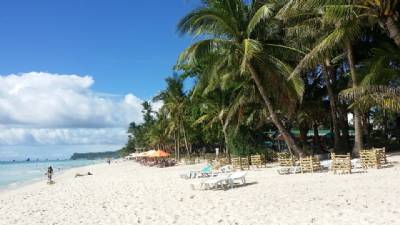
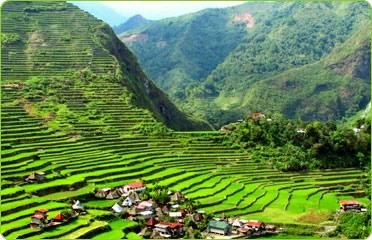
The Philippines is beginning to open up to tourism, with package holidays to several locations at once including the capital, Manila, and Bohol and Cebú, taking in the little-explored country's idyllic beaches and exotic countryside.